The Impact of Speed and Accuracy in Swiss CNC Machining Processes
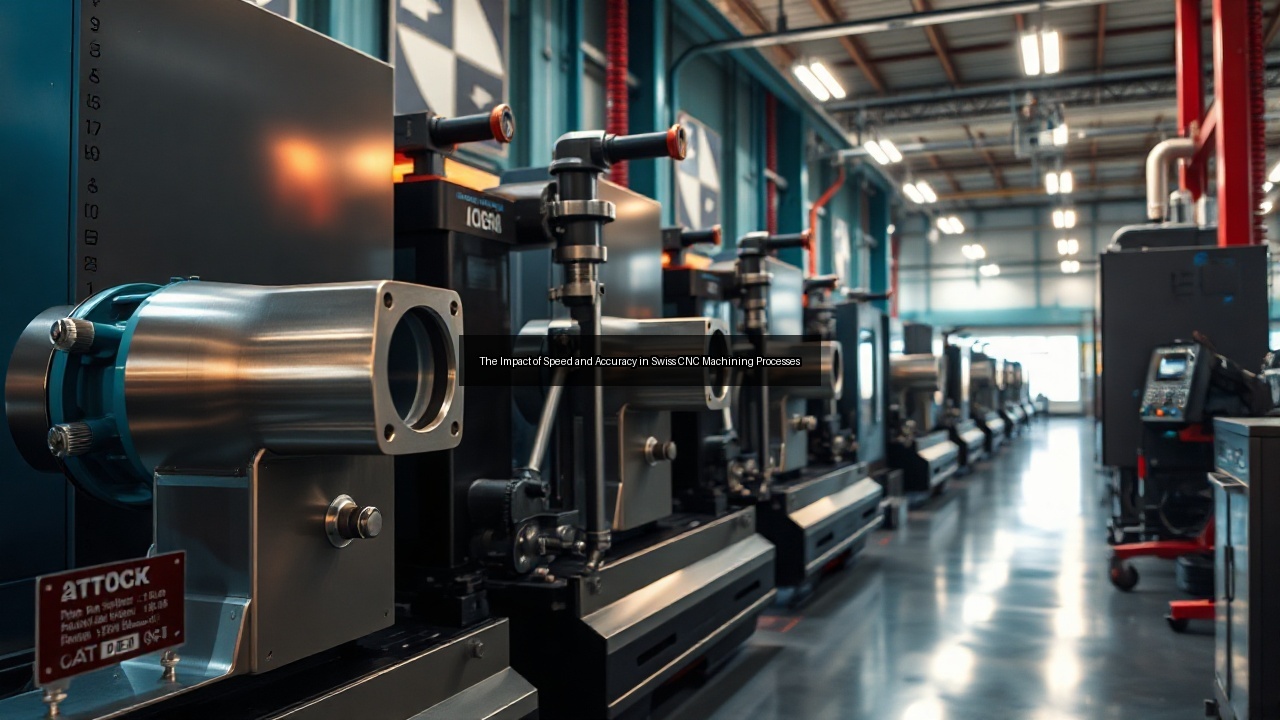
Understanding Swiss CNC Machining
The Evolution of Swiss CNC Technology
Swiss CNC machining has its roots in the precision lathes developed in Switzerland during the late 19th century. Originally designed for the production of watch components, these machines have evolved into advanced CNC (Computer Numerical Control) systems capable of producing intricate parts with remarkable accuracy and speed. The transition from manual to automated processes marked a significant leap in manufacturing technology. Modern Swiss CNC machines integrate sophisticated software and control systems that enhance their capabilities, allowing manufacturers to produce complex geometries and tight tolerances with ease. This evolution not only improved the efficiency of production but also expanded the range of applications across various industries, including aerospace, medical devices, and oil and gas. Today, Swiss CNC machining stands as a testament to the marriage of traditional craftsmanship and cutting-edge technology.
Key Components of Swiss CNC Machines
Swiss CNC machines possess several key components that contribute to their precision and efficiency. Central to these machines is the CNC lathe, which features a rotating workpiece held in place while cutting tools shape it into the desired form. The design of Swiss lathes allows for the use of multiple tools simultaneously, significantly speeding up the machining process. Another critical component is the tool holder, which securely grips cutting tools and maintains their alignment during operation. Additionally, Swiss machines incorporate advanced control systems that precisely manage tool movements and speeds, ensuring that every cut is accurate to the specified tolerances. The integration of CAD (Computer-Aided Design) software further enhances these machines' capabilities, allowing for seamless transitions from digital models to physical components, thus ensuring high fidelity in the final machined product.
The Role of CAD in CNC Machining
CAD technology plays a transformative role in Swiss CNC machining processes. It enables designers and engineers to create detailed digital models of parts before production begins. This digital design phase allows for adjustments and optimizations that would be costly or impossible to implement with traditional machining methods. Once finalized, CAD files are converted into G-code, the language understood by CNC machines. This streamlines the manufacturing process, reducing the time from design to production. Moreover, CAD systems allow for the simulation of machining operations, providing insights into potential issues such as tool collisions or material waste. In Swiss CNC machining, the combination of CAD and CNC technology ensures that manufacturers can meet stringent quality control standards while achieving high levels of efficiency.
Speed vs. Accuracy in Manufacturing
The Importance of Speed in Production
Speed plays a pivotal role in the manufacturing landscape, particularly in competitive industries. In Swiss CNC machining, rapid production cycles reduce lead times and improve overall throughput. Manufacturers striving to meet tight deadlines face constant pressure to optimize production speeds without sacrificing quality. The unique design of Swiss lathes allows for high-speed machining, capable of producing complex parts quickly. This speed is crucial in sectors such as aerospace and automotive, where the demand for precision components is intense. Faster production not only enhances customer satisfaction but also drives profitability. Companies that can balance quick turnaround times with high-quality outputs gain a competitive edge, making speed a critical factor in the success of Swiss CNC machining processes.
Accuracy and Tolerances in Swiss Machining
While speed is essential, accuracy remains the cornerstone of Swiss CNC machining. The ability to produce components within tight tolerances—often measured in microns—ensures that every part fits perfectly in its intended application. Industries like aerospace and medical devices require unmatched precision; even the slightest deviation can lead to catastrophic failures or compromised patient safety. Swiss CNC machines excel in maintaining these tolerances through advanced engineering and robust design. The innovative tooling and setup of Swiss lathes allow for consistent and repeatable results, essential for high-volume production. Manufacturers often employ rigorous quality control measures, such as automated inspection systems, to verify that each component meets specified tolerances, reinforcing the importance of accuracy alongside speed.
Balancing Speed and Precision: Best Practices
Achieving a harmonious balance between speed and precision in Swiss CNC machining involves implementing best practices throughout the manufacturing process. Manufacturers should invest in high-quality tooling that minimizes wear and tear, thus maintaining accuracy over extended production runs. Regular maintenance of machines ensures that they operate at optimal speeds without compromising precision. Additionally, utilizing advanced software solutions can help streamline workflows, allowing for quicker setups and transitions between jobs. Training operators on the intricacies of the machines and the importance of monitoring key parameters, such as tool wear and machining speeds, also contributes to this balance. By fostering a culture that prioritizes both speed and accuracy, companies can enhance their overall efficiency and product quality.
Applications in Various Industries
Aerospace and Defense: Precision Requirements
The aerospace and defense industries demand exceptional precision in their components, making Swiss CNC machining invaluable. Parts such as bushings, brackets, and fittings require meticulous attention to detail and adherence to stringent quality standards. Swiss machines excel in producing these complex geometries, often with intricate features that traditional machining methods cannot achieve. The lightweight materials commonly used in aerospace applications, such as aluminum and titanium, benefit from the high-precision capabilities of Swiss CNC lathes. As aircraft designs evolve, the need for innovative machining solutions continues to grow, positioning Swiss CNC machining as a critical player in the future of aerospace manufacturing.
Medical Devices Manufacturing: Quality Control
Quality control is paramount in the medical devices sector, where precision components can directly affect patient outcomes. Swiss CNC machining processes ensure that every part, from surgical instruments to implantable devices, is manufactured to exact specifications. The ability to achieve tight tolerances is essential, as even minor discrepancies can lead to failure or complications during medical procedures. Manufacturers in this industry often rely on Swiss machines for their versatility and precision, allowing them to produce a wide variety of parts efficiently. Furthermore, the integration of automated inspection technologies ensures that quality is maintained throughout production, reinforcing the commitment to safety and efficacy in medical device manufacturing.
Oil and Gas Sector: Robustness and Reliability
In the oil and gas sector, components must withstand extreme conditions, including high pressures and corrosive environments. Swiss CNC machining provides the robustness and reliability required for this demanding industry. Parts such as valves, fittings, and connectors are critical to the safe operation of oil and gas systems. The precision offered by Swiss machines ensures that these components fit seamlessly, reducing the risk of leaks or failures. Advanced materials used in this sector, often characterized by complex geometries, benefit from the accuracy of Swiss CNC machining processes. As the industry continues to evolve, the demand for high-quality, durable components makes Swiss CNC machining an indispensable asset.
Future Trends in Swiss CNC Machining
The Rise of Automation in CNC Processes
Automation is reshaping the landscape of Swiss CNC machining, driving efficiency and reducing labor costs. Automated systems, such as robotic arms and conveyor belts, streamline the production process, allowing for continuous operation with minimal human intervention. These advancements enable manufacturers to increase output while maintaining high precision levels. As automation technology continues to develop, the integration of AI and machine learning will further enhance process optimization. Predictive maintenance systems can foresee equipment failures, ensuring uninterrupted production. The cnc machining centers move towards automation not only improves operational efficiency but also addresses the growing skills gap in the manufacturing workforce.
Innovations in Tooling and Machining Geometries
Innovations in tooling and machining geometries are critical in advancing Swiss CNC machining capabilities. Developments such as coated tools, which reduce friction and enhance tool life, allow for faster machining speeds without sacrificing quality. New geometries in cutting tools also enable more efficient material removal, minimizing waste and boosting productivity. Manufacturers can now tackle complex part designs that were once deemed impractical. These innovations lead to reduced cycle times and improved surface finishes, essential for industries demanding high-quality outputs. The continuous evolution of tooling technology will keep Swiss CNC machining at the forefront of precision manufacturing.
Impact of Software Advancements on Efficiency
Software advancements significantly influence the efficiency of Swiss CNC machining. Enhanced CAD/CAM systems streamline the transition from design to production, minimizing errors and reducing setup times. Real-time monitoring and data analytics provide insights into machine performance and help identify bottlenecks in the production process. These software solutions facilitate better resource management and allow manufacturers to make informed decisions about production schedules and tool usage. As Industry 4.0 principles gain traction, the integration of IoT technology will further enhance connectivity between machines and systems, leading to smarter manufacturing processes. The ongoing development of software tools ensures that Swiss CNC machining remains agile and responsive to market demands.